- Oct 13, 2025
Discussing Current Events with your Kids
- Wesley Orion
- 0 comments
Contrary to the name, news has been anything but “new” and amidst the constantly changing political climate it can be hard for parents to not only grasp but hold space for tough conversations with their kids about current events. Whether you see it on the evening news, or your teen finds it on social media, or your kid hears about it at school, current events and the news are constantly being discussed in all circles- including children.
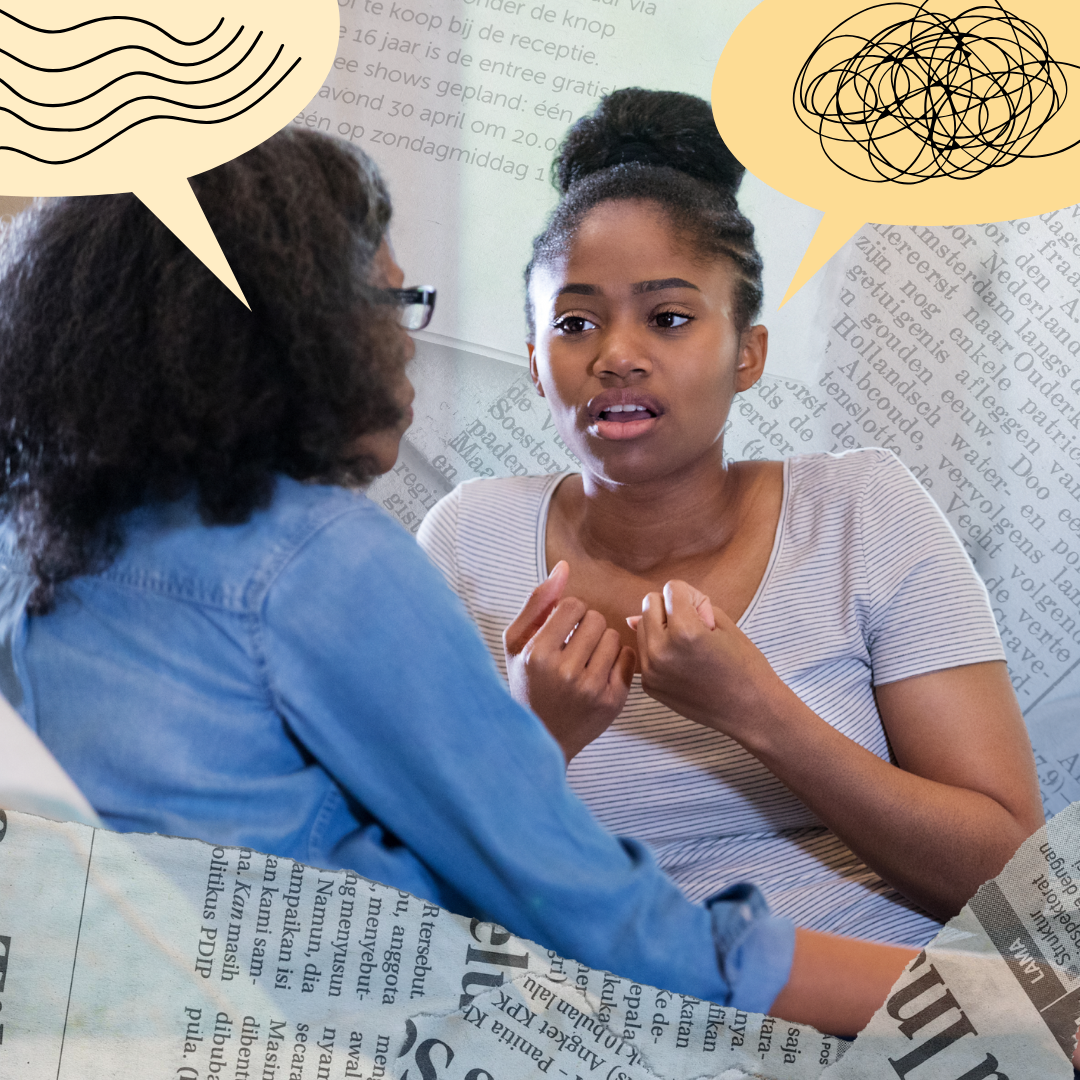
Having conversations with your child about political actions, world events, and current news can be more than difficult; it can be frustrating, hurtful, and isolating. These feelings don’t make the importance of these dialogues any less, if anything, it makes them more important. Raising the next generation to be civil adults in a future we cannot imagine starts with these talks. Each conversation helps them develop their own ability to learn, discern, and communicate their thoughts and feelings in a mature, respectful, and considerate manner.
Tips and tactics for sharing news with your kids will be different from family to family, so consider the applications of this article to your own situation. This blog post is not a catch-all for every family or conversation, do what best serves your family to the fullest.
First thing to do when it comes to tough conversations with your family and kids is to apply Oxygen Mask Theory before even broaching the conversation itself. This theory is that you cannot help someone else before you help or ‘save’ yourself. Such as on airplanes when the attendants state during their safety presentation that in the case of an accident always put on your oxygen mask first, before helping with the oxygen masks of others. This theory still applies to these potentially sensitive conversations; if you are not ready and stable enough to have the conversations then you need to prepare beforehand. Whether you might need to research more, use mental health first aid, or need to sort out your own thoughts first, it is important to be “fact stable”, so you can be supportive of your child as they process through the conversation that is to happen.
Before the conversation, consider the age and maturity of your child; do they have the capacity to understand and interact with the information provided to them? Checking in on your kid, tween, or teen about different topics and their level of understanding is a great way to gauge how to go about a potentially uncomfortable conversation. A child might already have some information or misinformation about a topic or event, so asking questions about their understanding first might aid you in the direction of the dialogue.
Holding a space for questions and conversation is important in any household, one where family members can discuss, question, and grow as a family. These spaces for dialogue can be made impromptu (“Hey Mom, I have a question…”), casually (Hello Son, I was wondering, did you hear about….), or even be scheduled (“I know what happened this afternoon, I need some time to sort out my thoughts, can we talk later this evening after dinner?). These spaces should have agreed rules so everyone feels they can speak up honestly and be respected. A few example rules could be 1) don’t speak over one another or interrupt, 2) having limited distractions in the space (no texting or watching tv), and 3) have a way to leave the conversation to cool down or think if things become heated.
Finally, reassure the love and support you have for one another- even if there are differences in opinions. Making sure everyone feels loved and supported before, during, and after the conversation leaves space for everybody to process their thoughts and emotions. This affirmation of a common ground leaves space for future conversations and support.
Along with this article, linked below are some resources that can help you when it comes to navigating current events and news with your child and family.
Common Sense Media - News Sites for Kids
Minnesota Children’s Museum - Resources for Talking about Violence in the News
Mind.Org - Coping with Stress Around the News
College of Staten Island - Graphic of Difference between Disinformation, Malinformation and Misinformation
Stony Brook University - News Site Bias
Ad Fontes - Media Bias Chart
Iowa State University - Examples of Logical Fallacies
Advanced Psychology Services - Differences of Political Views and Finding Common Ground
Having these conversations can help your child sort out fact from fiction as well as aiding them in knowing how to narrate their own thoughts on current events. It’s not going to be easy to have these dialogues but it is important. Regardless of the direction of the conversation or the topic, these skills related to tough conversations and being civically engaged in current events, develops thought pathways for kids to grow into responsible, aware, and informed adults.