- Aug 19, 2024
Home Alone: Is Your Child Ready? A Guide for Parents
- Jason Mellet
- 0 comments
The transition from constant supervision to staying home alone is a significant step in a child's journey toward independence. But it's a decision that shouldn't be taken lightly. As parents, you want to ensure your child is both physically and emotionally ready to handle the responsibility.
So, how do you know when your child is truly ready for this milestone? There's no magic age that fits all children, but there are several key factors to consider, signs of readiness to look for, and steps you can take to prepare your child for this new chapter. Let's explore them together.
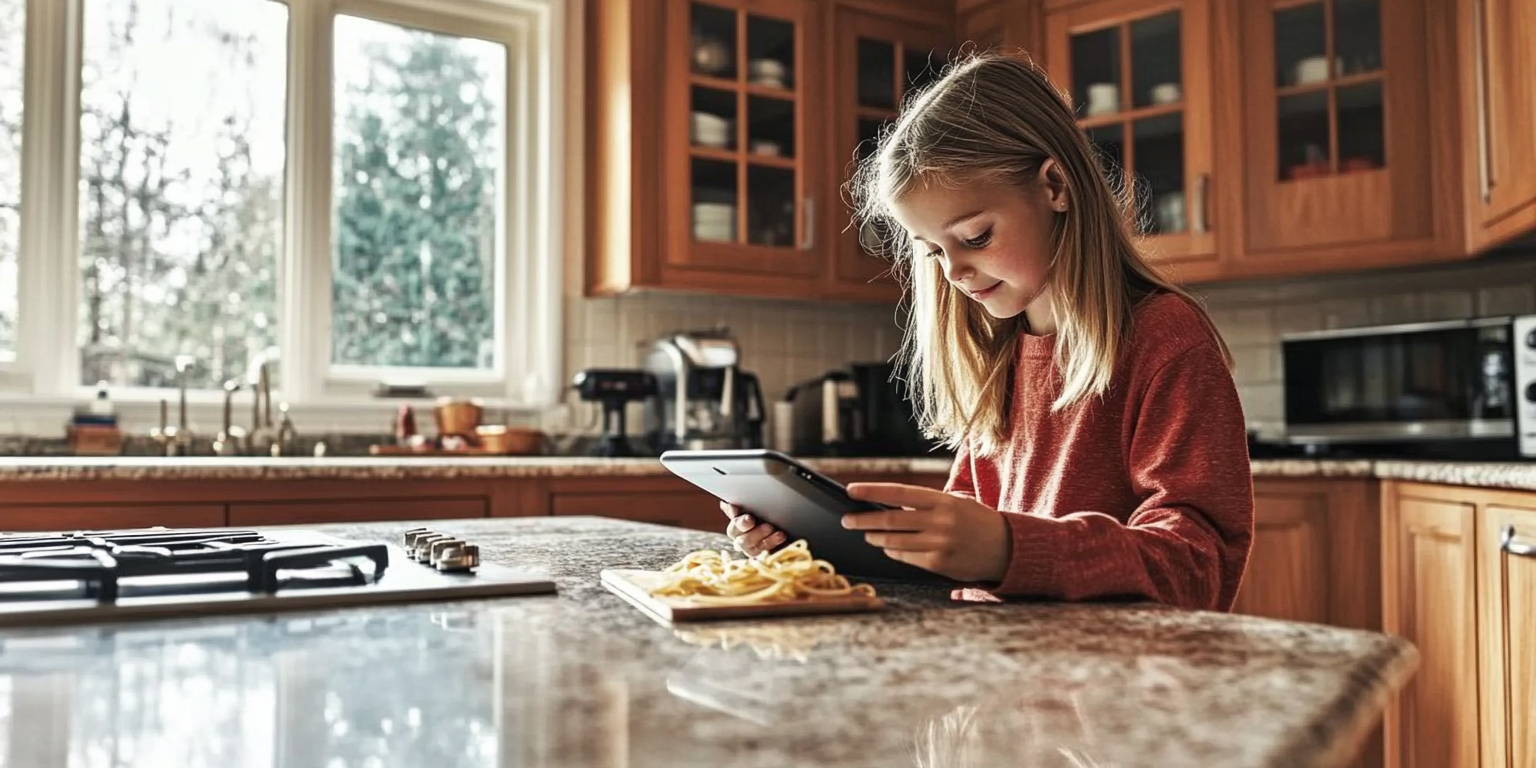
Factors to Consider When Deciding if Your Child is Ready:
Age: While age is not the sole determining factor, it's a good starting point. Most experts agree that children under the age of 10 should not be left home alone. Between the ages of 10 and 12, it's crucial to assess your child's maturity and individual readiness.
Maturity and Responsibility: Does your child follow instructions well? Can they handle simple tasks independently? Do they make good decisions and demonstrate a sense of responsibility?
Comfort Level: Is your child comfortable being alone? Do they express any fears or anxieties about staying home alone?
Emergency Preparedness: Does your child know how to handle basic emergencies like a power outage, minor injury, or a stranger at the door?
Neighborhood Safety: Consider the safety of your neighborhood and whether your child feels comfortable and secure in their surroundings.
Signs Your Child Might be Ready:
Expresses Interest: Your child shows a desire for more independence and asks to stay home alone.
Follows Rules: They consistently follow household rules and routines without constant reminders.
Handles Responsibilities: They can complete tasks like preparing a simple snack, taking care of pets, or locking doors and windows.
Stays Calm in Challenging Situations: They demonstrate the ability to stay calm and problem-solve when faced with minor challenges.
Shows Good Judgment: They can distinguish between safe and unsafe situations and make responsible decisions.
Preparing Your Child for Home Alone Time:
Start Small: Begin with short periods of time alone, like while you run a quick errand, and gradually increase the duration as your child gains confidence.
Establish Clear Rules: Set clear expectations for behavior, such as not answering the door to strangers, not using the stove or oven, and staying within the designated areas of the house.
Emergency Preparedness: Teach your child basic first aid, how to call 911, and what to do in case of a fire or other emergency. Make sure they know your contact information and the contact information of a trusted neighbor or relative.
Communication: Establish a communication plan, such as checking in with your child periodically by phone or text.
Practice: Role-play different scenarios, such as answering the phone or door, handling a minor injury, or dealing with a power outage.
Deciding when your child is ready to stay home alone is a personal decision that requires careful consideration. By evaluating your child's maturity, comfort level, and preparedness, along with considering your family's unique circumstances, you can make an informed choice that supports their growing independence while ensuring their safety and well-being.
Still feeling unsure? Enriching Kidz offers a "Kidz Home Alone" safety course designed to prepare pre-teens and teens for staying home alone. Learn more about our course and empower your child with essential skills and confidence.
Additional Resource: